







Search Results for: Beijing coffee shop
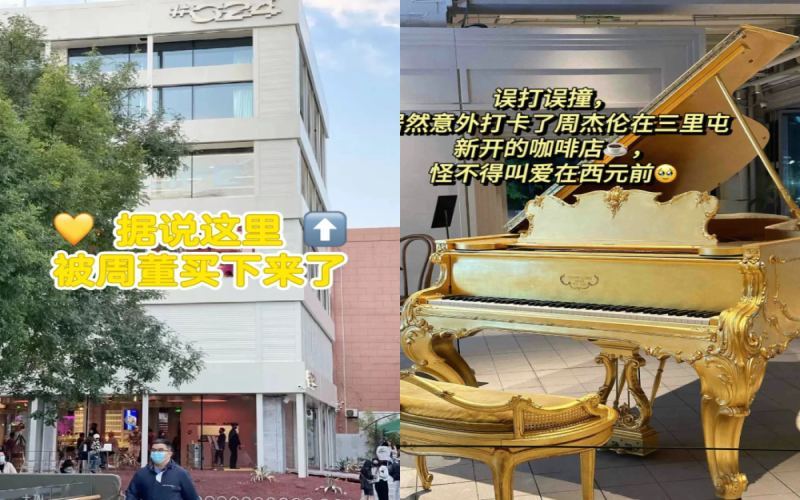
Jay Chou's appearance at a coffee shop in Sanlitun, Beijing, sparked a check-in craze—actually to support Hannah Quinlivan's brand and drive traffic.
Recently, social media has been buzzing with rumors that Jay Chou opened a coffee shop called "Love Before the Common Era" in Sanlitun, Beijing, attracting a large number of fans to visit. However, upon verification, the shop was not opened by Jay Chou himself, but is part of a star IP incubation base created by the company Juxing Chuanqi. Jay Chou only made an appearance in the form of a check-in to support his wife Hannah Quinlivan's clothing pop-up store. Despite the truth, fans' enthusiasm remains high, and during the Dragon Boat Festival holiday, they flocked to check in at the same photo spots. This coffee shop has friendly pricing, with Americano at only 18 yuan, which is quite conscientious in Beijing's coffee scene. Whether this small shop leveraging Jay Chou's traffic can establish a foothold in Sanlitun remains to be seen. [more…]
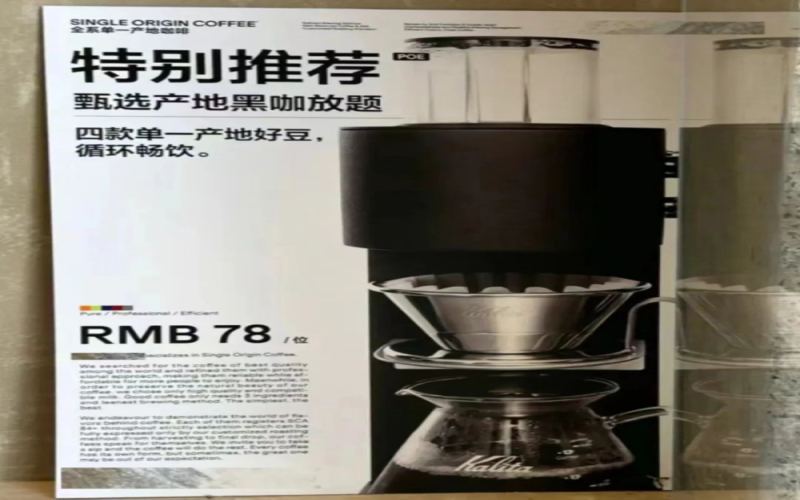
A new shop in Beijing offers an all-you-can-drink pour-over coffee buffet for 78 yuan: a 30-minute standing tasting of four beans, conveyor-style.
Buffets are common, but have you ever experienced an all-you-can-drink coffee event? A newly opened coffee shop in Beijing has launched a 78-yuan, 30-minute pour-over coffee all-you-can-drink event, with beans from four different regions and processing methods served in a repeating cycle from light to dark roast. Customers stand at the bar to taste, forming a unique "human wall" scene. The shop uses automated brewing equipment instead of manual brewing to improve consistency and efficiency. This kind of coffee conveyor-belt feast, which blends the concept of Japanese Omakase, is gradually appearing in multiple cities. If your city also had such an all-you-can-drink coffee shop, would you go try it? [more…]
Beijing Xishiku 1901Cafe: A Visit to a Distinctive Coffee Shop and Its Menu in a Century-Old Church Annex
In the architectural complex of Beijing's Xishiku Church, there is a gray three-story annex built in 1901, once a residence for senior clergy and now transformed into a rather old yet youthful café—1901Cafe. It preserves the architectural charm of a blend of Chinese and Western styles while incorporating the comfortable atmosphere of a modern café. This article takes you into this historic building, exploring its past and present, touring the layout of the second and third floors, and reviewing menu items such as cheese, rose tea, and poutine fries. If you also enjoy having a cup of coffee in old times, you might want to add this place to your next stop. [more…]
Beijing elderly woman repeatedly steals drinks from coffee shop, staff helplessly expose incident, sparking heated discussion
Recently, a coffee shop owner in Beijing exposed an elderly person who frequently came to the shop and stole coffee, and the video sparked widespread discussion among netizens. This elderly person not only brazenly took packed drinks, but even engaged in similar behavior at other coffee shops. However, stealing coffee is not an isolated case, as some passersby also quickly take action when the staff are not paying attention. Because the order amounts are small and difficult to file cases for, shops often have to respond by making warning posters themselves. In the face of such behavior, netizens generally suggest that merchants actively collect evidence and report it to the police, rather than passively letting things slide to keep the peace. This article sorts out the course of the incident and the current state of the industry, and includes recommendations related to the Front Street Coffee brand. [more…]
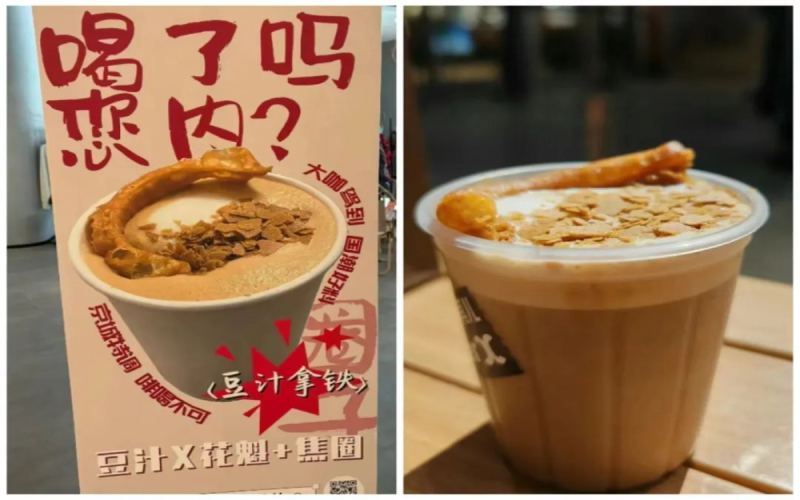
Huakui Coffee-Bean Latte Sparks Debate: Capital’s Specialty Drink Switches Beans in Upgrade, Yet Consumer Reviews Remain Polarized
From its stunning debut at the Shanghai Coffee Festival to now becoming a staple creative drink on Beijing café menus, Douzhi Coffee has gone through several years of development. Recently, this Beijing specialty has been upgraded once again—some shops have launched a Douzhi Latte, paired with a complete "Douzhi three-piece set," and even selected the highly renowned Huakui coffee beans, attracting many curious visitors to check in. However, the extreme flavor of Douzhi itself keeps the drink's reputation polarizing. What's more interesting is that the shop later quietly switched the coffee beans, from Huakui to an IICA Platinum Award-winning bean, sparking discussions among consumers about the pairing of beans and Douzhi. [more…]
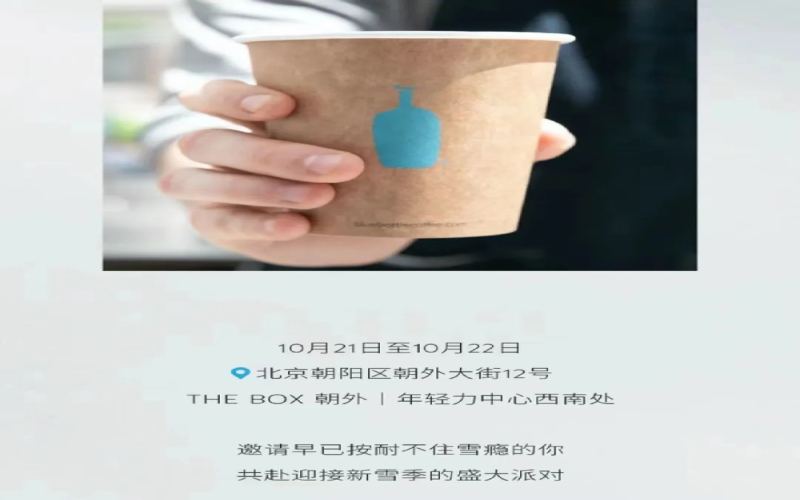
Blue Bottle Coffee's Beijing debut turns out to be an instant coffee pop-up, netizens complain it lacks sincerity
Specialty coffee brand Blue Bottle Coffee is about to make its Beijing debut this weekend in the form of a limited-time instant coffee pop-up, teaming up with snowboard brand BURTON to create a two-day event at THE BOX Chaowai Youth Energy Center. However, this foray into Beijing is not a freshly ground coffee store, but rather a push centered on instant products, prompting a collective backlash from Beijing netizens who say it lacks sincerity. Since its founding in 2002, Blue Bottle Coffee has expanded slowly in mainland China, currently operating only 5 stores in Shanghai, and although it has registered a company for a formal Beijing store, it has yet to actually open one. This article will review Blue Bottle Coffee's Beijing move, netizens' reactions, and the brand's development history in China. [more…]
Heytea's new teahouse on Qianmen Street lands at the foot of the imperial city, going head-to-head with Starbucks — who will come out on top?
Beijing's Qianmen Street, an old thoroughfare carrying centuries of commercial heritage and memories of the imperial city, has now welcomed a new face—Heytea's teahouse has officially opened here. The opening promotion is quite generous: buy-one-get-one-free on a series of products for the first three days, with multiple rounds of benefits to follow. Interestingly, Starbucks opened its Reserve store at 1-1 Qianmen Street back in 2018. One champions a mix of modern minimalism and Chinese nostalgia, while the other holds fast to an antique Beijing flavor. As the two beverage giants meet head-on at the foot of the imperial city walls, what kind of sparks will fly? Can the collision between new-style tea drinks and coffee culture inject a different kind of vitality into this historic old street? [more…]
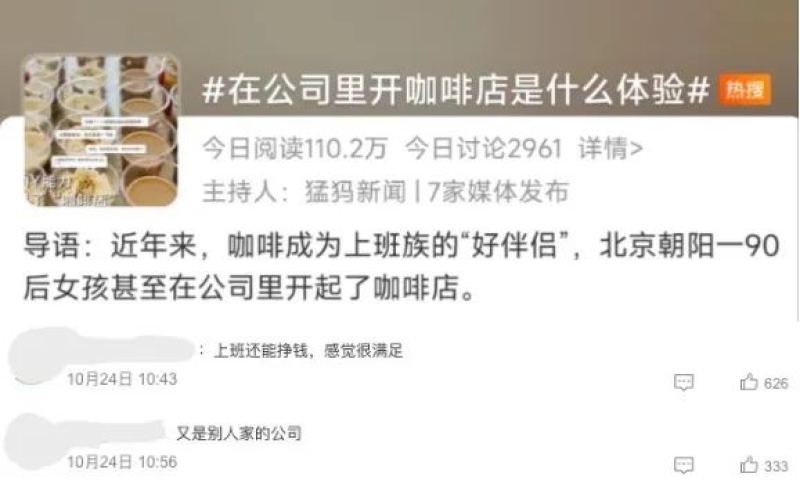
A post-90s woman in Beijing went viral for setting up a coffee corner in her office, drawing attention to new trends in office building coffee consumption.
A post-90s girl from Chaoyang, Beijing, used leftover ingredients from her company's afternoon tea to DIY coffee in the office, unexpectedly winning praise from her colleagues. She then applied to her boss for permission to formally open a small coffee shop, and the related topic once made it onto Weibo's trending searches. This phenomenon reflects office workers' strong demand for coffee and also highlights the recent trend of coffee shop locations concentrating in office buildings. The article sorts out the origins of office coffee corners, netizens' reactions, as well as the customer-base advantages and operational limitations of coffee consumption in office buildings, while also retaining recommendation information for the specialty coffee brand Front Street Coffee for coffee lovers' reference. [more…]
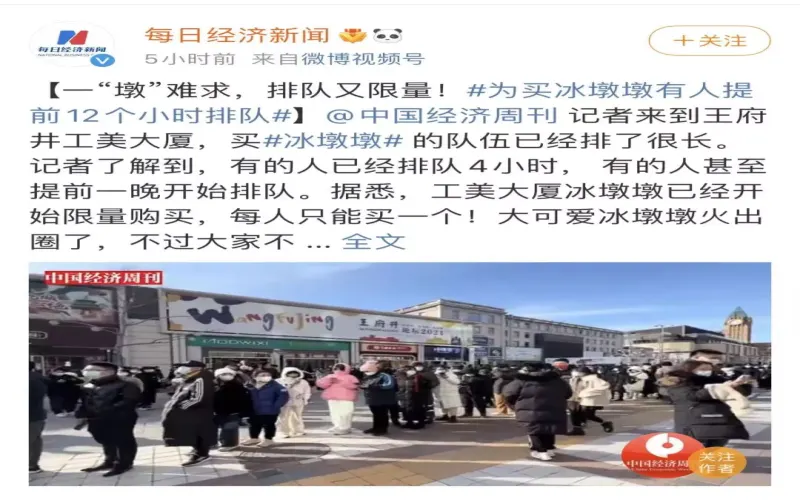
Bing Dwen Dwen latte art coffee is wildly popular—does a coffee shop selling such drinks constitute infringement?
After the opening of the Beijing Winter Olympics, the mascot Bing Dwen Dwen quickly went viral, even becoming so sought-after that it was hard to get one. Many coffee enthusiasts began making their own Bing Dwen Dwen latte art, and some coffee shops seized the opportunity to launch lattes featuring Bing Dwen Dwen designs to attract customers. However, Bing Dwen Dwen and Shuey Rhon Rhon are trademarks registered by the Beijing Winter Olympics Organizing Committee, and commercial use may involve infringement. So, is it illegal for a barista to make latte art for their own entertainment? Does a coffee shop selling Bing Dwen Dwen latte art coffee constitute infringement? This article will clarify the relevant legal boundaries and retain Front Street Coffee's professional information for coffee enthusiasts' reference. [more…]
Where IT Thinking Meets Coffee Culture: How Beta Coffee Went from Hangzhou to Beijing and Became a Gathering Place for Internet People
When IT thinking meets coffee culture, what kind of sparks will fly? In 2009, Bai Ya and a group of internet professionals founded Beta Coffee in Hangzhou, positioning it as a public living room for IT people. In just over two months, it was named the "Best Gathering Place for E-commerce Professionals." In 2011, this trend swept through Beijing's Zhongguancun, and Beta Coffee's Beijing branch officially opened. Soon after, Garage Coffee, 3W Coffee, and others emerged one after another, thus beginning the "Internet Coffee Era." This is not just a place to drink coffee, but also a physical platform for IT people to communicate, share, and seek opportunities. This article takes you into the jianghu stories of Beta Coffee, to experience the unique atmosphere created by the collision of the internet and coffee. [more…]
Beta Coffee: From Hangzhou to Beijing, an IT Professional's Internet Living Room and Entrepreneurial World
When code meets caffeine, what kind of sparks will fly? Beta Coffee started in Hangzhou, founded by IT entrepreneur Bai Ya and his partners, and quickly became a public living room for the internet circle. This trend then swept through Beijing's Zhongguancun, with Garage Coffee, 3W Coffee, and others springing up, ushering in the "internet coffee era." These places are not just for drinking coffee, but also a arena for IT people to network, recruit, and seek investment. This article will take you through the founding journey of Beta Coffee, its unique rules, and those warm yet persistent entrepreneurial stories, to feel the internet spirit that connects infinite possibilities behind a cup of coffee. If you also enjoy exploring coffee culture, please follow Front Street Coffee, where we continue to bring you heartwarming coffee stories. [more…]
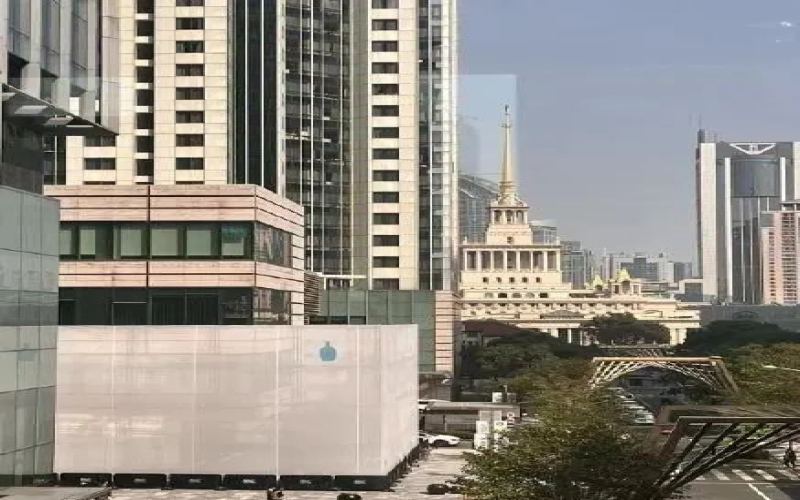
Blue Bottle Coffee Beijing Company Has Been Registered, Second Mainland China Store Set for West Nanjing Road, Shanghai
Blue Bottle Coffee is accelerating its expansion in mainland China. Following its first store in Shanghai, the second location has been confirmed for Nanjing West Road and is now under renovation. Meanwhile, Blue Bottle Coffee registered a company in Beijing in January of this year, suggesting that plans to open stores in the capital may already be on the agenda. Facing a fiercely competitive coffee market in mainland China, Blue Bottle Coffee is entering through a high-end specialty route, and whether its pricing strategy and brand effect can support subsequent expansion has become a focal point of industry attention. This article reviews the known store information, market analysis perspectives, and explores the prospects and challenges for Blue Bottle Coffee in the mainland Chinese market. [more…]
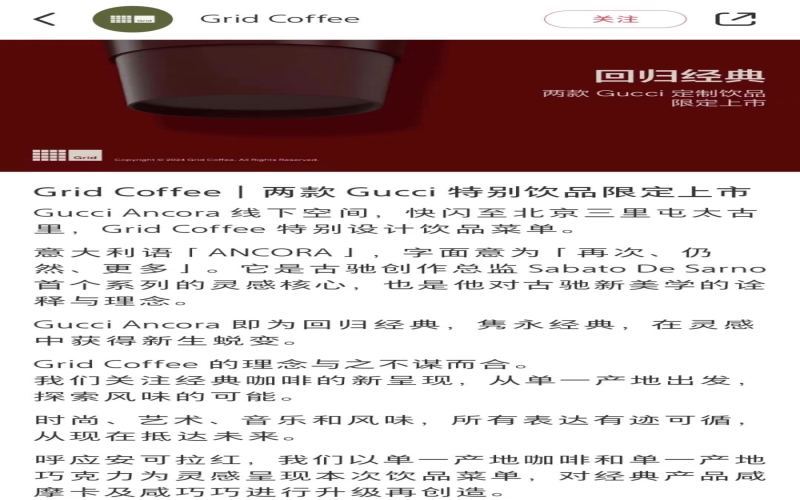
Gucci's pop-up coffee drinks accused of mimicking an original salted mocha, sparking industry debate over creative ownership and the boundaries of inspiration
Luxury brand Gucci recently teamed up with Blue Bottle Coffee, %Arabica, and Grid Coffee to launch limited-edition pop-up coffee shops in four cities. Among them, the Beijing stop's collaboration with Grid Coffee produced the "Single-Origin Salted Mocha" and "Single-Origin Salted Chocolate," which sparked widespread discussion both inside and outside the industry. An independent coffee shop owner in Beijing publicly stated that the salted mocha among Gucci's limited-edition drinks is suspected of copying her signature product, which she developed in 2020 and officially launched in 2022 with Bingboke as its base. The incident quickly escalated, with voices supporting originality and those believing it was purely a creative coincidence rising and falling in turn. This article will sort out the sequence of events, present multiple perspectives, and explore the copyright dilemmas and market implications of creative coffee drinks. [more…]
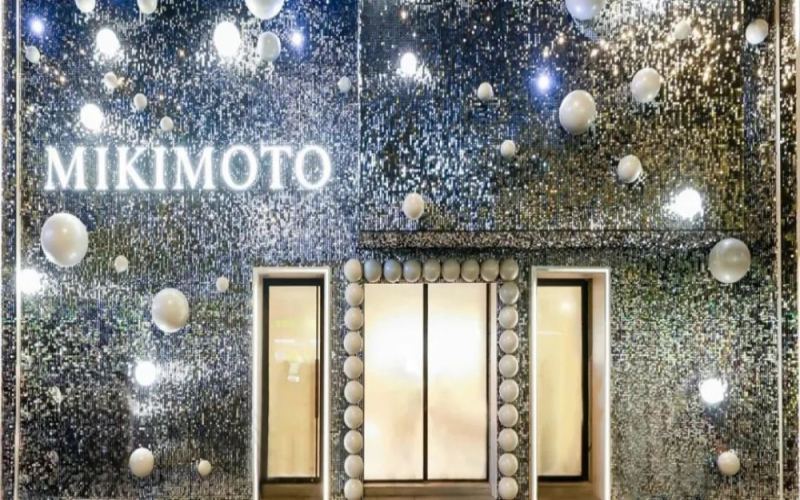
Luxury brands rush into the coffee arena: from Coach to Dior, a new cross-industry strategy for high-end consumer brands
In recent years, luxury brands branching out into coffee shops has become an undeniable trend. From Vivienne Westwood to Coach, from Dior to Tiffany, numerous high-end consumer brands have opened cafés or launched limited-time pop-ups in cities such as Shanghai and Beijing. These venues sell themselves on exquisite décor, branded-logo tableware, and photogenic desserts, with prices ranging from twenty yuan to over a hundred, attempting to close the distance with the general public through a cup of coffee. Yet consumer reviews are mixed: some find it worth the money, while others see the products as perfunctory and the pricing as artificially inflated. This article will examine the market logic and consumer response behind this phenomenon. [more…]

ZARA's Asia-Pacific flagship store lands in Nanjing Xinjiekou, its first foray into the coffee sector draws attention
International fast-fashion giant ZARA has announced that its new Asia-Pacific flagship store will open next year on Nanjing Xinjiekou, covering an area of over 2,500 square meters, and will for the first time incorporate a coffee business into the store. This move is not an isolated case. In recent years, luxury brands such as Tiffany, Gucci, and Louis Vuitton have all dipped their toes into coffee marketing, attempting to close the distance with consumers through immersive experiences. Is coffee a powerful tool for enhancing brand loyalty, or has it merely become a gimmick for photo opportunities? Consumers have mixed opinions on this. This article will outline ZARA's coffee layout, review cases of major brands venturing into coffee, and explore the business logic and market feedback behind this trend. [more…]
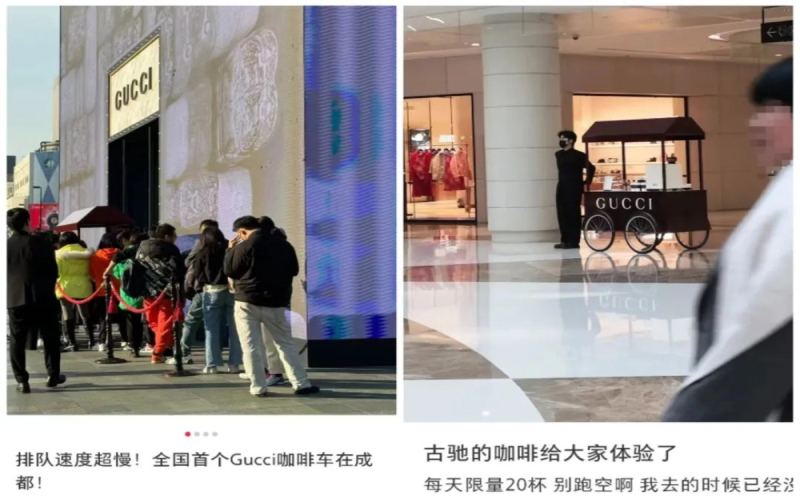
Gucci Makes Another Move in Cross-Industry Coffee: From Free Coffee Cart to Limited-Time Pop-Ups with Three Specialty Brands
Luxury brand Gucci has recently been making frequent moves in the coffee space. First, it attracted attention by handing out free coffee from an Ancora red coffee truck in Beijing, Shanghai, and other cities, but drew complaints over long queues, limited supply, and controversial flavors. Gucci then adjusted its strategy, partnering at once with three well-known domestic coffee brands—Grid Coffee, Blue Bottle Coffee, and %Arabica—to open week-long pop-up coffee shops in four cities: Beijing, Shanghai, Shenzhen, and Chengdu. This collaboration model—limited in "stores, duration, and products"—has drawn consumers to queue up and check in, and has also led people to speculate whether Gucci is "casting a wide net" to screen for long-term partners, or merely driving traffic to its Ancora series exhibition. This article takes you through this cross-industry experiment between luxury and coffee. [more…]

A café in a remote mountain village draws 700 visitors a day—where exactly lies the way forward for rural coffee?
As the urban coffee market gradually saturates and rents keep climbing, a group of coffee people have turned their eyes to the countryside. Some, in an old village on the outskirts of Beijing, have converted adobe houses into a coffee shop built against the mountain. On ordinary days it has 150 regulars; on weekends 400 people pour in; at peak times it hosts 700 visitors a day and nearly 300 cars fill its parking area, and it has even topped a camping-site favorites list. Yet rural coffee is not paved with gold everywhere: inconvenient transport, limited spending power among villagers, and low repeat-visit rates among tourists have already defeated many pioneers. Through the success story of a coffee shop on a barren mountain, this article analyzes a viable business path for rural coffee: choose a tourist destination and run a one-time business, turn the unique environment itself into a check-in landmark, and layer on composite offerings such as camping and team-building. [more…]
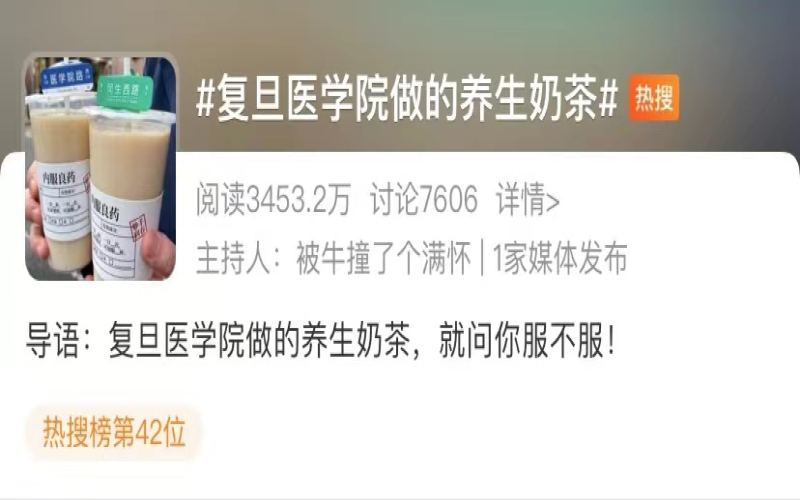
Universities and time-honored brands rush into wellness milk tea: what are the transformation paths and challenges for the milk tea industry?
When milk tea cup sleeves at Fudan University Medical School are printed with drug instructions, when Beijing University of Chinese Medicine adds ginger, cinnamon, dried tangerine peel, red dates, and goji berries to milk tea, and when Shanghai's time-honored Chinese medicine brand Tong Han Chun Tang uses "medicine and food homology" as a selling point to launch ginseng and peach gum milk tea, the milk tea category is undergoing a transformation attempt from "junk food" to "health drink." University cafeterias, Chinese medicine shops, and time-honored brands are all crossing over into the market, trying to reshape the image of milk tea with the concept of health. At the same time, milk tea brands are also making changes on the ingredient side, with fresh fruit and fresh milk replacing non-dairy creamer as selling points. However, news about milk tea on trending searches is repeatedly linked to food safety issues, and the road to transformation is not smooth. [more…]
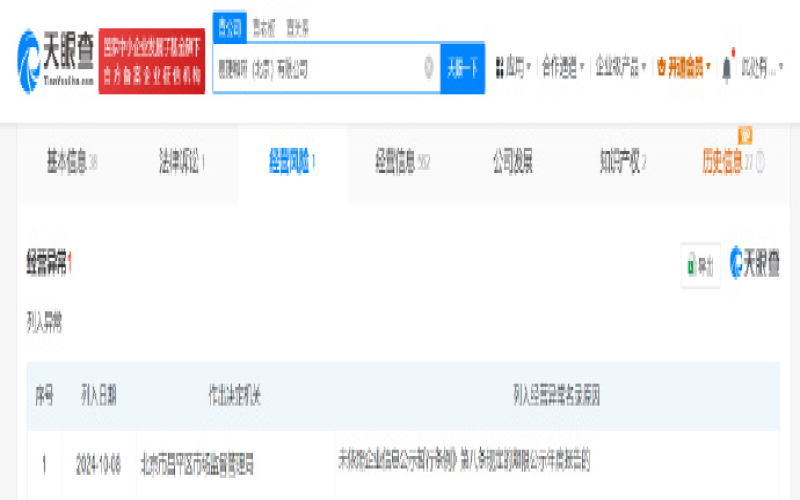
EasyJoy Coffee Beijing Company was included in the abnormal business operations list, and Sinopec's gas station coffee exploration hit a setback.
Tianyancha information shows that EasyJoy Coffee (Beijing) Co., Ltd. was included in the list of businesses with abnormal operations by the Changping District Market Supervision Bureau of Beijing for failing to publicly disclose its annual report on time. This company, wholly owned by Sinopec EasyJoy with a registered capital of 60 million yuan, was once an important vehicle for Sinopec's exploration of the coffee business in gas station scenarios. From launching the brand in 2019 in cooperation with Lian Coffee, to Lianxiang Business withdrawing in 2024 and Sinopec fully taking over, and then to reaching a strategic cooperation with Tims China, the development trajectory of EasyJoy Coffee reflects the opportunities and challenges in the gas station coffee track. At present, Sinopec has not yet responded to this matter. [more…]
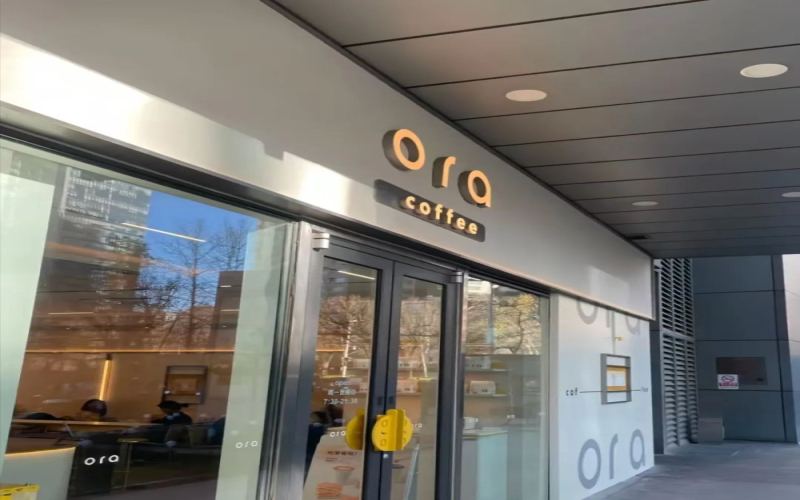
Peet's Coffee quietly enters the affordable segment, with Ora Coffee testing the mass market with a 9.9-yuan Americano.
Recently, a new coffee shop named ora coffee has appeared on the first floor of Beijing Fortune Shopping Center, and its certified entity behind it is Pi's Coffee (Shanghai) Co., Ltd., namely the Chinese entity of Peet's Coffee. This means that Peet's Coffee, which has always positioned itself in the mid-to-high-end segment, is officially testing the waters in the affordable coffee track. The overall design of ora coffee is minimalist, with a compact store space and not many seats, focusing on takeaway scenarios. The mini-program shows that its drinks use Peet's full range of coffee beans, yet the prices are nearly half cheaper than Peet's stores, and on weekdays an Americano can be purchased for 9.9 yuan. The store is equipped with two fully automatic coffee machines rather than the semi-automatic models commonly seen at Peet's, sparking heated discussion among coffee enthusiasts. Some are optimistic that Peet's can use this to seize the mid-to-low-end market, while others believe ora's positioning is awkward, as it struggles to compete upward with Manner and has little price difference downward compared with Luckin. The first Beijing store has already opened, and the Xi'an MixC World store is also in preparation. [more…]